Is Digital Watermarking The Smarter Future for Recycling ?
Recycling works best when systems can clearly identify what something is and how it should be processed. That’s where digital watermarking comes in — a quiet but powerful technology with the potential to transform recycling across the United Kingdom.
What Is Digital Watermarking?
Digital watermarking embeds an invisible code directly into the design or surface of a product or its packaging. Unlike QR codes or barcodes, these watermarks aren’t visible to the human eye, but they can be read by high-speed optical scanners.
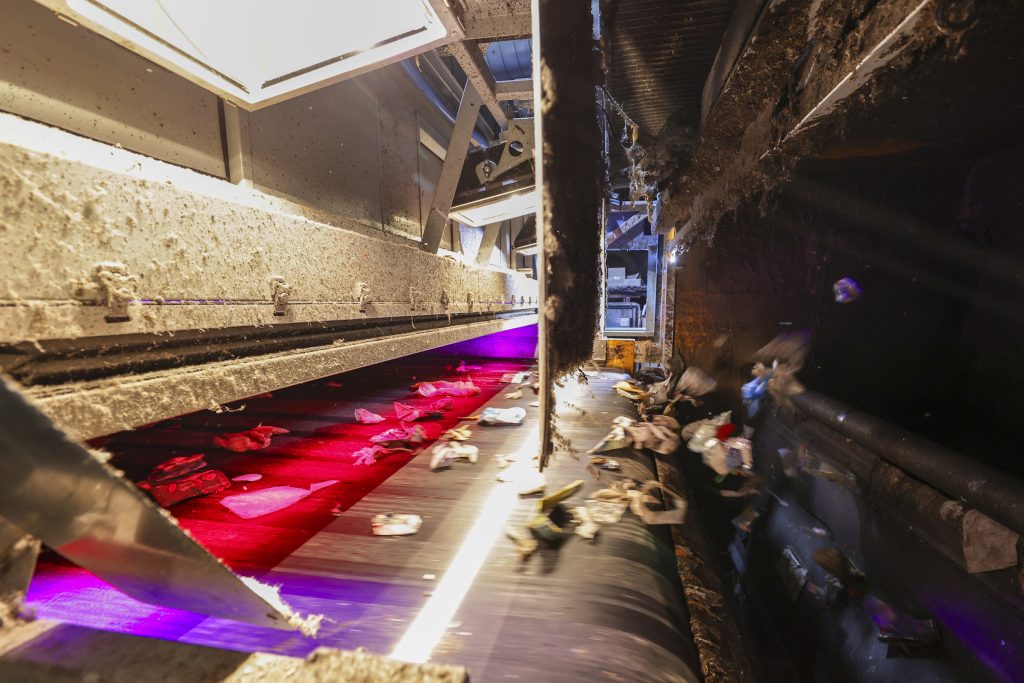
In a recycling facility, this means packaging can be identified instantly as it moves along the conveyor belt — without slowing the process down or relying on guesswork.
Why Does This Matter for Recycling?
Today, a lot of recyclable material is missed or mis-sorted. Different plastics, multi-layer packaging, food contamination, and unclear labelling all reduce recycling efficiency.
Digital watermarks can carry precise information such as:
-
Material type and composition
-
Food vs non-food packaging
-
Whether an item is recyclable locally
-
Brand or product category
This allows automated sorting systems to make smarter decisions, improving material quality and reducing waste sent to landfill or incineration.
Products Best Suited to Digital Watermarking
Digital watermarking isn’t a one-size-fits-all solution, but it’s especially well suited to high-volume consumer goods, including:
Food & Beverage Packaging
Plastic bottles, trays, tubs, and flexible films — particularly where different materials look similar but need different recycling routes.
Household & Personal Care Products
Shampoo bottles, cleaning product containers, and cosmetics packaging, where brand-level identification can improve sorting accuracy.
Retail & E-commerce Packaging
Rigid plastics, films, and secondary packaging used in shipping and logistics.
Multi-Material Packaging
Items that are currently difficult to recycle, such as composite or layered packaging, where better identification enables more nuanced sorting decisions.
Looking Ahead
As the UK moves towards extended producer responsibility (EPR) and higher recycling targets, digital watermarking offers a scalable, data-driven way to close the gap between design, disposal, and recovery.
It’s not about consumers doing more — it’s about systems working smarter.
The future of recycling may well be invisible… but its impact could be anything but.