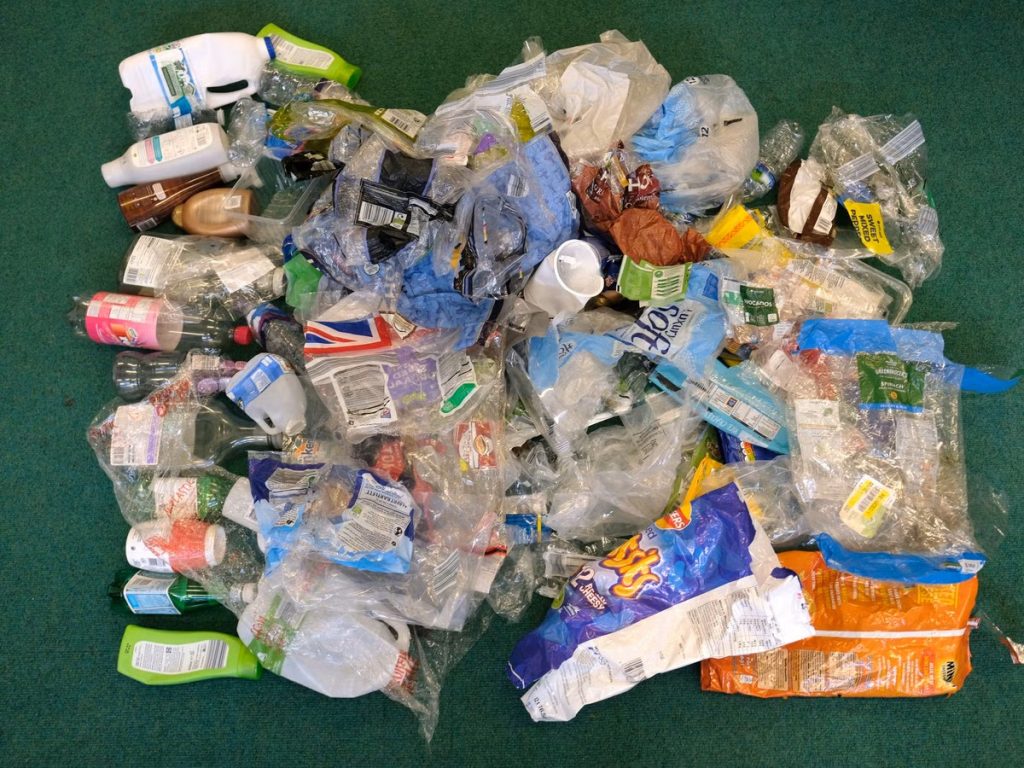
Extended Producer Responsibility (EPR): What UK Businesses Need to Know
Extended Producer Responsibility (EPR) for packaging represents one of the most significant changes to UK waste legislation in decades. If your business supplies, imports, or handles packaging, these reforms will affect both your reporting requirements and your costs.
This guide explains what is changing in the UK and how smarter, more sustainable packaging decisions can help reduce future EPR fees—especially with support from Sustainable Packaging Scotland.
What Is EPR and Who Does It Apply To?
The UK’s EPR system shifts the full cost of managing household packaging waste from local authorities to the businesses that place packaging on the market.
EPR covers all household packaging materials, including plastic, paper and board, glass, metals, and composites.
Your business must comply if it qualifies as a large producer, meaning you:
Have an annual turnover of £2 million or more, and
Supply or import more than 50 tonnes of packaging per year in the UK
What Actions Do Businesses Need to Take?
If EPR applies to your business, you must meet several key requirements.
Join a Producer Responsibility Organisation (PRO)
A government-approved Producer Responsibility Organisation will manage EPR compliance on behalf of producers. The government expects to announce an official PRO in early 2026.
Report Detailed Packaging Data
You must report accurate data on the type, material, and quantity of packaging you place on the UK market. This information directly determines your EPR fees, so precision matters.
How Are EPR Fees Calculated?
EPR introduces a two-part cost structure that combines existing and new charges.
Packaging Recovery Notes (PRNs)
PRNs have existed since the 1990s. Businesses purchase these certificates to demonstrate that a specified amount of packaging waste has been recycled.
Prices fluctuate based on market supply and demand
Costs vary significantly between materials and over time
Waste Management / EPR Fees
The government introduced these new charges in October 2025. They cover the real cost of managing household packaging waste, including collection, sorting, recycling, and disposal.
EPR fees depend on:
Packaging material type
Recyclability
Total quantities placed on the market
As a result, packaging design choices now have a direct financial impact.
Eco-Modulation: Why Recyclability Matters More Than Ever
From 2026 to 2027, the UK will introduce eco-modulation of EPR fees. This system adjusts fees based on how recyclable your packaging is.
Authorities will assess recyclability using the Recyclability Assessment Methodology (RAM), which classifies packaging into three categories:
Green – highly recyclable (lower EPR fees)
Amber – moderately recyclable
Red – difficult or non-recyclable (higher EPR fees)
Green-rated packaging attracts lower EPR fees, while red-rated packaging incurs higher charges. This structure strongly incentivises businesses to redesign packaging with recyclability in mind.
How Sustainable Packaging Scotland Helps Reduce EPR Fees
Sustainable Packaging Scotland helps businesses turn EPR compliance into a cost-saving opportunity.
By working with sustainable packaging specialists, businesses can:
Redesign packaging to move from red or amber to green RAM classifications
Reduce material complexity and remove unnecessary composites
Lightweight packaging to lower total tonnage placed on the market
Switch to widely recyclable materials that improve recyclability scores
These changes do more than support environmental goals. They can reduce EPR and waste management fees year after year. In many cases, improved packaging design also lowers material costs and strengthens brand perception among eco-conscious consumers.
The Regulatory Framework and the European Context
The UK EPR system operates under the Producer Responsibility Obligations (Packaging and Packaging Waste) Regulations 2024.
Across Europe, many countries already run EPR schemes, including Austria, Bulgaria, Croatia, Cyprus, Czech Republic, Estonia, Greece, Hungary, Ireland, Latvia, Lithuania, Luxembourg, Malta, Poland, Portugal, Romania, Slovakia, and Slovenia.
Several of these countries—such as the Czech Republic, Greece, Ireland, and Portugal—have already introduced eco-modulated fees, highlighting the clear direction of travel across Europe.
Final Thoughts
EPR is not just a compliance requirement—it is a cost driver that rewards smarter, more sustainable packaging decisions. Businesses that act early, understand recyclability requirements, and invest in better packaging design will gain a clear financial and regulatory advantage.
Partnering with Sustainable Packaging Scotland can help you turn EPR from a financial burden into an opportunity—cutting fees, improving sustainability performance, and future-proofing your packaging strategy.
Put us to the test: 0141 648 7120